
五感图
Ju Xiaofu, a Chinese pianist who treats every note like a line of poetry_我的网站

A |
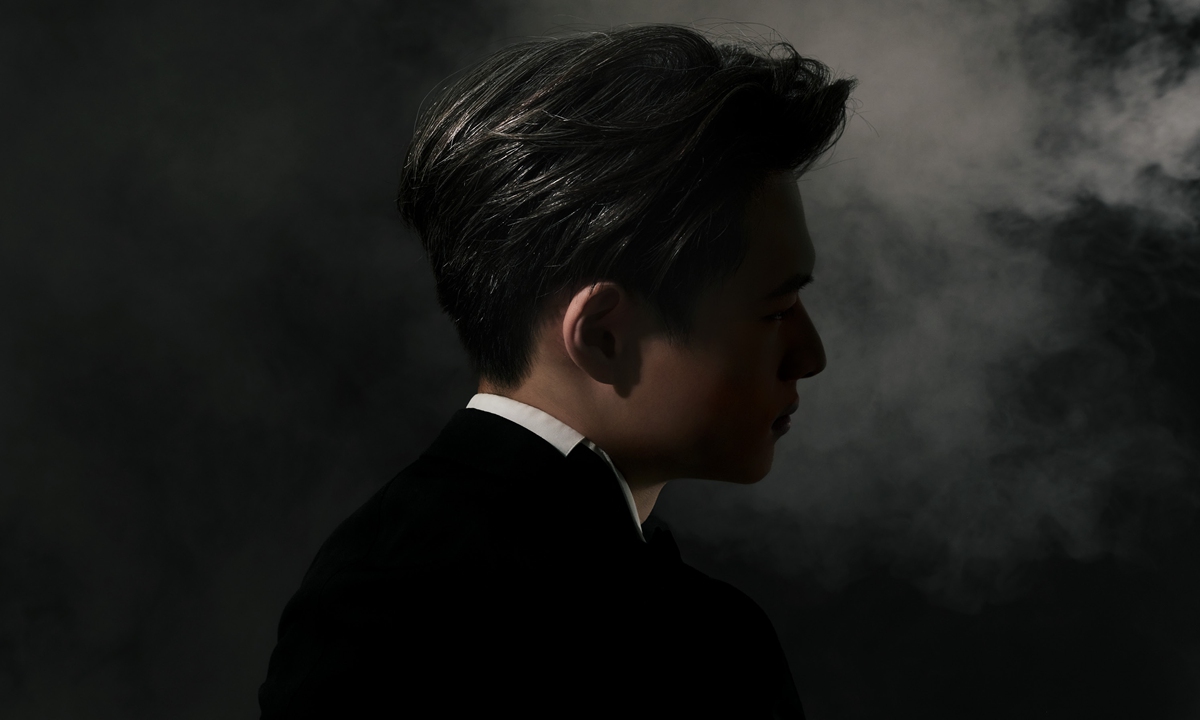
Deutsche Grammophon signed Ju earlier this year. The label has previously worked with well-known Chinese pianists including Li Yundi, Lang Lang and Yuja Wang. Ju's arrival raises a different question: What will younger musicians, trained both in China and the West, bring to classical music?
The album features works by Leoš Janácek, Maurice Ravel and Alexander Scriabin. The physical edition also includes three of Ju's own poems.
The title Mist Without draws on the German idea of Weltschmerz, a feeling of world-weariness, and the Chinese tradition of misty, suggestive poetry. Ju uses wu, the Chinese character for mist, to create a quieter and more reflective mood. The centerpiece of the album is Janácek's piano suite In the Mists.
"Poetry and piano are equal parts of my experiences," Ju said in a recent interview with the Global Times. "When I work on a single note or a phrase at the keyboard, it feels exactly like shaping a sentence - counting the syllables, weighing the rhythm, choosing the words."
For Ju, playing the piano is less a profession than a form of daily discipline. "It is stricter than many formal religions," he said.
Now in his mid-20s, Ju previously studied at the Juilliard School in New York before continuing his training in Germany. His approach, rooted in China yet open to the world, reflects a generation of Chinese musicians increasingly comfortable moving between cultures. For Ju, that movement between cultures is not necessarily something that needs to be explained.
"Culture can be learned," Ju said. He hears a deep kinship between turn-of-the-century France and ancient China: "To me, so much of [Claude] Debussy's late work feels like Tang Dynasty (618-907) poetry."
Western critics have already taken notice of Ju's distinctive style. In a 2024 review of his Carnegie Hall recital, New York Concert Review wrote that he "shines in the magic of the understated, pulling us into his psychological stillness." British critic Jed Distler, writing in Gramophone, praised his sensitive understanding of Janácek's music.
Having grown up navigating multiple languages and later pursuing training abroad, Ju sees cultural boundaries less as barriers than as things to move through.
"Unlike before, we can now present Eastern ideas not as a deliberate statement, but as something entirely natural and self-assured," he said.
Ju does not present Mist Without as a grand statement. "It is simply the first step in creating recordings that carry personal thought rather than polished display," he said.
Asked what AI might bring to classical music, Ju was unequivocal.
"If what you care about is the relationship between music and people, AI cannot provide that," he said. "AI represents the perfection of human intelligence. Art shows human nature - its desires, its light and its darkness. Music is about human imperfection."
。 中新网北京8月22日电 (记者 孙自法)作为中国人工智能赋能科学研究(AI for Science,简称AI4S,也称科学智能)领域最高规格的学术盛会,2026科学智能大会8月21日至22日在北京中关村成功举办。通过国际科技合作专题交流研讨,大会为中国深度参与并引领全球科学智能合作提供“中国方案”。 大会国际科技合作专题“数字可持续发展”平行会议上,郭华东院士作学术报告。

B | 中新网记者 孙自法 摄 本次大会的14场平行会议,分别以“基础研究”“科技创新与产业创新融合”“国际科技合作”三大专题为牵引密集举办,集中呈现科学智能在多学科、多场景的纵深突破。 基础研究专题直指“科学智能之根”,覆盖科学智能基础理论、科学数据、科学基础大模型、科研智能体与自主科研系统、自主实验室与科学表征新范式等关键方向。 科技创新与产业创新深度融合专题直击“科学智能之用”,聚焦科学智能从实验室走向产业界的关键一跃,围绕生物医药、能源化工、材料开发、科学仪器、工业智能化五大方向,议题覆盖靶点发现、智能药物研发、化工智能实验室、电池材料智能创制、AI赋能科学仪器、智能制造与无人化工厂等产业一线,充分展现科学智能在支撑现代化产业体系中的“源头活水”作用。 国际科技合作专题以“全景数字生命”“数字可持续发展”“植物星球”“深时数字地球”四大国际大科学计划为依托,系统研讨中国科学家倡议发起并牵头主导的国际大科学计划在科学智能赋能下的最新进展,为全球科学智能合作提供“中国方案”。 这次大会的两场全体会议,首场以“推进人工智能赋能科学研究”为主线,呈现当前科学智能从技术研究向科研实践深入的发展趋势;第二场则从安全到自主实验室,描绘科学智能落地路线,更加聚焦“科学智能如何走深走实”。 大会的上百场学术报告,覆盖数学物理、化学化工、生命医学、材料科学、地学、信息技术、农学、工程管理等众多学科,集中展现出中国科学智能领域的重要进展与突破。 大会全体会议上,王坚院士作学术报告。中新网记者 孙自法 摄 大会期间举办的科学智能人才之夜活动以“AI文明原点”为核心,设立深空、算力、数据、生命与机器五大星际战队,与会专家学者围绕 AI发现“非人逻辑”科学规律、数据永生、后人类时代进化路线、超级算力与地球生存四大思辨议题展开深度交锋,为中国科学智能领域积蓄创新人才力量。

C | 2026科学智能大会由中国科技发展基金会、北京科学智能研究院联合主办,并得到“学术科协”科学智能专家委员会深度学术指导。聚焦“人工智能变革科研范式”主题,大会为推动科研范式从“假设驱动”“数据驱动”迈向“智能驱动”注入了强劲的共识与力量。

D | 与会专家学者认为,人工智能正在成为继实验、理论、计算之后,驱动科学发现的核心引擎。他们呼吁中国科学家在这场科研范式变革中继续走在前列,以高水平科技自立自强支撑新质生产力发展。(完) 【编辑:刘阳禾】。
Current article:http://www.yuejinhuapennuochoudengying.cyou/news/20260826_8355.htm
Published on:02:18:43