
波塞冬49岁“小昭”陈秀丽坚持终身学习 耗时五年圆梦斩获学士学位_我的网站
一 | 曾凭借《倚天屠龙记》“小昭”一角深入人心的新加坡艺人陈秀丽,在49岁迎来人生新突破。  China and India have considerable scope for cooperation in the field of artificial intelligence (AI), as their AI capabilities are complementary in many respects, a senior Indian investor told the Global Times in an exclusive interview. There is considerable scope for AI cooperation in areas that address common global challenges, including healthcare, education, agriculture, climate resilience, industrial productivity and scientific research, always within the policy frameworks established by the respective governments and international perspectives on responsible and secure AI, Mahendra Swarup, founder of VG Capital and former president of the Indian Venture and Alternate Capital Association, told the Global Times on Wednesday. AI is likely to become one of the defining technologies of this century. India's strengths lie in software development, engineering talent, digital public infrastructure and entrepreneurial innovation. China has developed significant capabilities in AI applications, hardware, manufacturing and large-scale deployment. "These capabilities are complementary in many respects," Swarup said. The veteran on the front line of India's venture capital investment sector made the remarks amid improving bilateral ties and a certain level of liberalization of Chinese investments in India. Chinese investors have historically contributed to the growth of several successful Indian companies, especially start-ups. While investment activity has been moderated by regulatory developments over the past few years, there has always been underlying interest in the Indian market because of its long-term fundamentals, Swarup said. "If the recent improvement in bilateral relations leads to greater regulatory clarity and business confidence, the Chinese investors will once again evaluate opportunities in India, although the general sentiment is one of cautious optimism," said Swarup. Amid positive momentum in bilateral relations, Swarup noted rising opportunities for entrepreneurs from the two countries to engage in practical cooperation. There are several areas where entrepreneurs from India and China could potentially complement each other's strengths, subject to the regulatory frameworks of different sectors in both countries, the investor said, highlighting areas including healthcare technologies, clean energy, electric mobility, advanced manufacturing, climate technologies, industrial automation, logistics and supply-chain innovation. 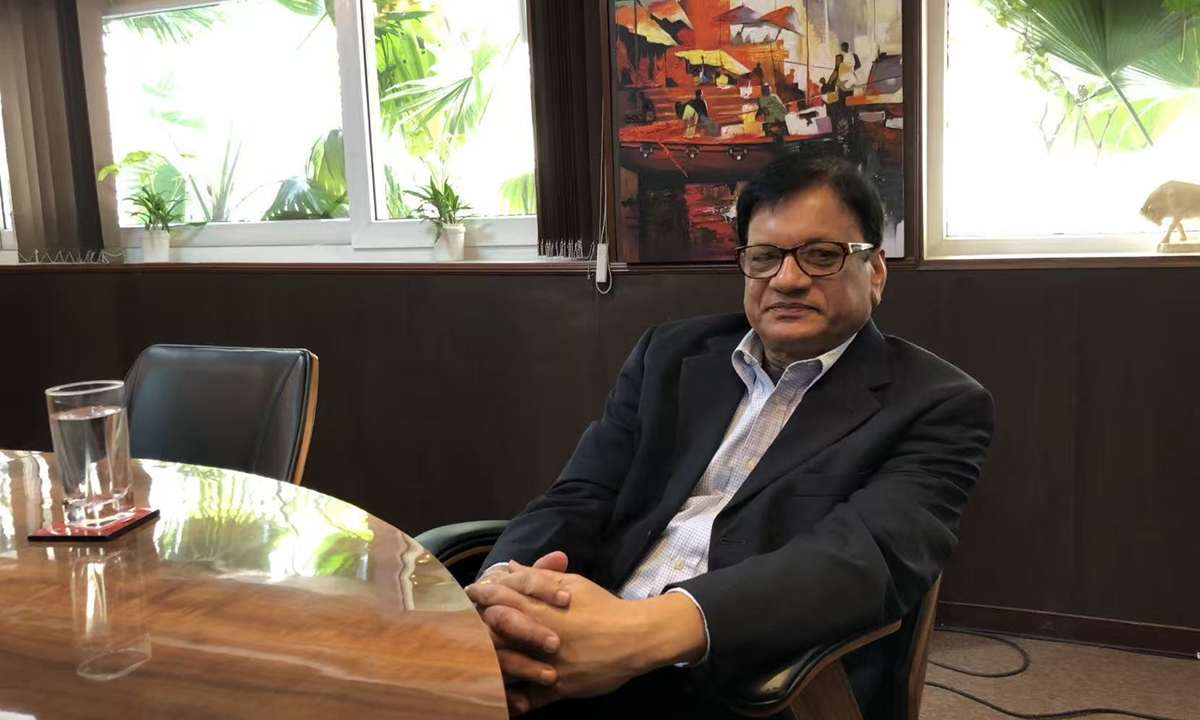 "In whichever sector the complementary strengths of both China and India can be brought together responsibly, they can create value not only for both countries but also for global markets," said Swarup. India has recently shown signs of easing some long-standing restrictions on trade and investment with China, with Chinese experts saying that the move reflects the country's growing recognition of China's importance to its economic development, and a desire to create a more favorable environment for improving bilateral ties. There has been a gradual policy adjustment, including easing restrictions on foreign direct investment (FDI) in e-commerce, allowing FDI from companies with Chinese ownership, The Hindu reported on August 1. With India set to host a BRICS summit this year, Swarup also said that Indian and Chinese companies can work together to promote the interests of developing countries. India and China are both major economies with significant experience in addressing the challenges of development at scale. Although each country has followed its own development path, there are areas where companies from both nations can contribute meaningfully to broader development across Asia, Africa and other emerging markets, Swarup noted. There is considerable potential for collaboration in affordable healthcare, digital financial inclusion, renewable energy, agricultural technologies, education technology, infrastructure, supply-chain development and support for small and medium-sized enterprises. These are areas where scalable and affordable solutions can have a significant impact on improving livelihoods, the veteran said. Partnerships that combine technology, entrepreneurship and long-term investment can help create solutions that are both commercially sustainable and socially impactful. "As two of the largest economies in the Global South, India and China have the opportunity to contribute positively to sustainable development through innovation, responsible investment and constructive commercial engagement," Swarup said. 。
二 | 近日,她在社交平台晒出学士毕业照,正式宣告顺利拿下健康科学学士学位,用五年坚持践行了“不怕慢,只怕站”的人生信条。据悉,定居香港、现居上海的陈秀丽,因闲暇时间增多,萌生了系统学习的想法。偶然了解到美国加州线上大学的线上授课模式后,她果断报名健康科学专业,开启了中年求学之路。
三 | 相较于多数同学三四年即可完成的学业,陈秀丽的求学过程格外坎坷,她曾遭遇两门课程不及格,加之年纪渐长出现老花眼、看不懂英文专业术语、思维灵活性下降等问题,学习阻力重重。同时,老旧马来语文凭的翻译认证、陌生的线上学习操作,也为她增添了诸多难题。面对困境,陈秀丽始终未曾放弃,秉持“只求完成,不求完美”的心态稳步推进,常常熬夜撰写作业与论文,每日仅休息三四个小时,最终耗时五年多顺利完成学业。求学期间,她并未暂停事业发展,兼顾拍戏、直播带货、拉丁舞教学等多项工作,生活充实且自律。
四 | 在学习过程中,陈秀丽也曾尝试借助AI代写作业,但很快发现捷径无法收获真知,便摒弃投机心态,坚持自主研读、独立完成学业。她坦言,终身学习贵在谦卑,切忌倚老卖老,持续学习与思考,既能充盈自我,也能保持思维活跃。这段特殊的求学经历,也让她对育儿和生活有了全新认知。她认为家长应多鼓励孩子、守护孩子身心健康,不必过度施压,学业难题应交由专业老师负责。同时,持续的学习锻炼了她的心态与能力,让她处事更有耐心,也养成了审慎求证网络信息的严谨习惯。对于未来,陈秀丽表示,将依托所学的健康科学知识,专注科普推广工作,向大众传递健康生活理念,持续在终身学习的道路上稳步前行。 Current article:http://www.yuejinhuapennuochoudengying.cyou/list_x517/z85dfl.doc Published on:00:39:15 |


