中俄联合声明出来了。
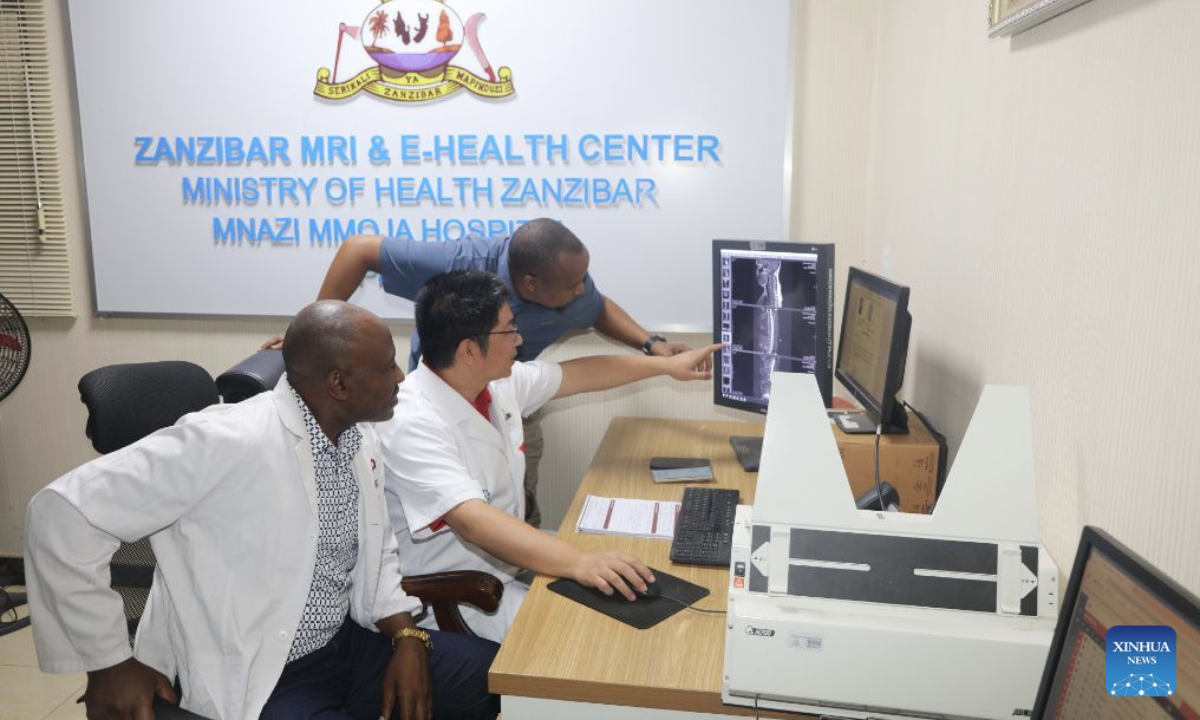
This photo taken on May 28, 2026 shows Yuan Gang, a radiologist with the 35th Chinese medical team in Zanzibar, discussing MRI images with local doctors at Mnazi Mmoja Hospital in Zanzibar, Tanzania. (The 35th Chinese medical team in Zanzibar/Handout via Xinhua)In a radiology room at Lumumba Regional Hospital in Tanzania's Zanzibar, a quiet technological shift is reshaping how doctors detect disease, make decisions, and save lives.
On the island, artificial intelligence (AI) systems are helping doctors interpret medical images, while remote consultations connect local physicians with specialists thousands of kilometers away.
Bridging this distance is Yuan Gang, a radiologist with the 35th Chinese medical team in Zanzibar, who combines local imaging, cloud-based AI analysis, and real-time specialist consultations.
For years, Zanzibar's healthcare system has faced challenges in diagnosing complex diseases, particularly because of limited imaging expertise, heavy workloads, and the lack of advanced diagnostic tools, said local physician Haitham Hamudu.
Imaging interpretation, often described as the "eyes" of modern medicine, has been especially constrained by limited expertise, heavy workloads, and a lack of advanced tools, Haitham said.
By linking the hospital's imaging system with the First People's Hospital of Lianyungang in east China's Jiangsu Province, he has introduced a three-layer diagnostic approach, which includes initial reading by local doctors, AI-assisted detection and classification, and quality control through Chinese specialist review.
This hybrid model is enabling doctors in Zanzibar to access the precision and standards of top-tier Chinese hospitals without requiring patients to leave the island.
"Technology is allowing us to overcome distance and resource gaps," Yuan said. "It is not just about solving one case, but about building a system that improves care for many patients."
One of the most striking cases involved a young Zanzibari child suffering from recurrent vomiting and lethargy.
After reviewing the child's Magnetic Resonance Imaging scans, Yuan diagnosed hydrocephalus but found the underlying cause unclear. He immediately initiated a remote consultation with neuroradiology experts in the Chinese city of Lianyungang.
By jointly reviewing the imaging data and clinical records, the team identified the hidden cause, provided a precise diagnosis and treatment recommendations, giving local doctors a clear path forward and the child a renewed chance at recovery.
Beyond individual cases, Yuan has introduced AI-powered imaging tools to improve diagnostic accuracy in Zanzibar.
He said many women have dense breast tissue, making breast cancer harder to detect with conventional mammography. AI-assisted mammography now analyzes images, classifies lesions using the internationally recognized Breast Imaging Reporting and Data System, and helps doctors assess malignancy risk.
In one case, a 42-year-old woman with mild breast pain showed no obvious abnormalities on routine examination. AI, however, detected two hidden nodules and accurately classified their risk, helping doctors avoid unnecessary procedures while ensuring timely follow-up.
Similarly, AI-assisted lung imaging is improving the early detection of pulmonary nodules that are often missed in manual readings.
In one case, a 56-year-old man with a chronic cough was initially diagnosed with inflammation. Yuan's review, supported by AI analysis, identified four small nodules, including one with high-risk features, prompting closer monitoring and potentially preventing the progression of an early tumor.
Beyond diagnosis, Yuan is helping local doctors adopt AI tools, standardized reporting systems, and structured diagnostic methods through hands-on training and case-based teaching, improving diagnostic accuracy while strengthening local capacity.
The AI imaging initiative is part of a broader digital healthcare partnership between China and Tanzania's Zanzibar, Yuan said.
The hospital and its partner institution in Lianyungang have established regular remote multidisciplinary team consultations, bringing together specialists in neurosurgery, oncology, and other disciplines to jointly review complex cases and develop treatment plans.
"I have never seen this kind of consultation before," said local physician Haitham. "So many experts working together, providing practical solutions. It is very inspiring."
Bao Zengtao, leader of the Chinese medical team, said remote consultations not only improve patient care but also enhance the professional capacity of local healthcare workers.
Yuan added that the ultimate goal is to build a sustainable model that can be expanded across Africa, ensuring more patients have access to accurate diagnosis and timely treatment.
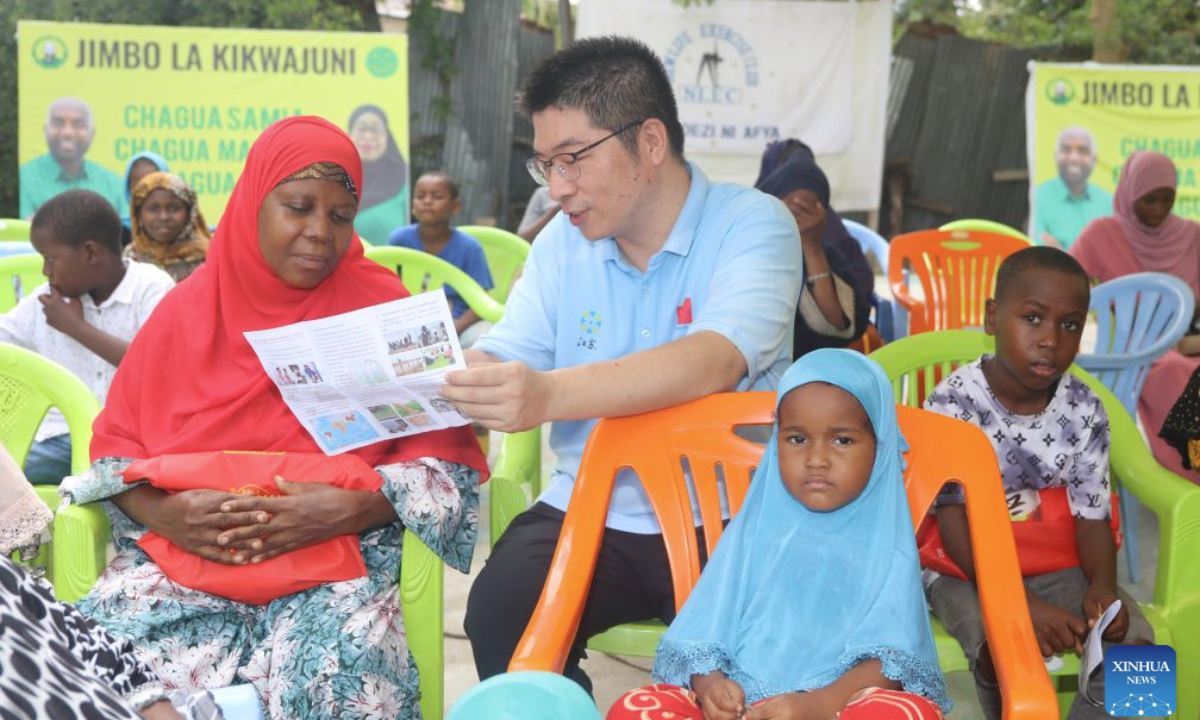
This file photo taken on Oct. 8, 2025 shows Yuan Gang, a radiologist with the 35th Chinese medical team in Zanzibar, talking with a local resident during a community health outreach activity in Zanzibar, Tanzania. (The 35th Chinese medical team in Zanzibar/Handout via Xinhua)
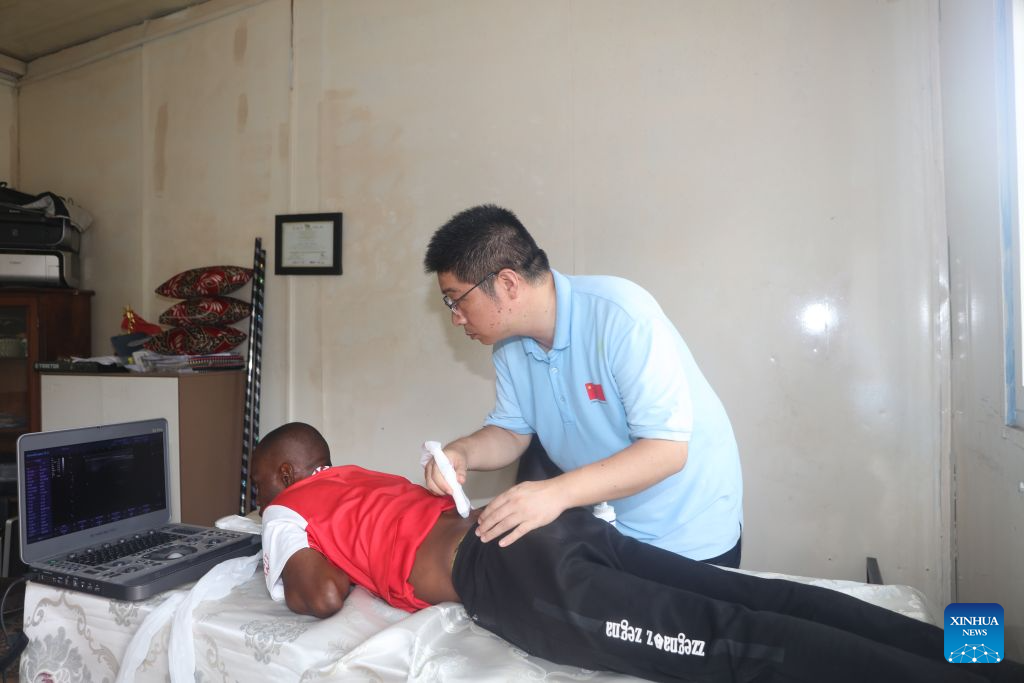
This file photo taken on Oct. 8, 2025 shows Yuan Gang, a radiologist with the 35th Chinese medical team in Zanzibar, performing an ultrasound examination on a patient at a local health facility during a community health outreach activity in Zanzibar, Tanzania. (The 35th Chinese medical team in Zanzibar/Handout via Xinhua)
。在媒体和网络上都可以看到这份声明的全文。看了一下,第一感觉是,这是一份宏大的战略性外交文件。全文共分为十个章节,因为文字太长,手机上看起来很困难。我就把原文下载到电脑上,用电脑软件统计了一下,全文共计12000多字,分为130多个自然段。这么长的文字,即使在电脑上看也是很不方便,所以我把它打印出来,用宋体四号字,打了厚厚的一摞。
十个章节,第一个章节我理解是讲的中俄两国关系的定义和现状。其中讲到,当前的中俄关系,超越冷战时期的军事政治同盟模式,具有不结盟、不对抗、不针对第三方的性质,凸显出稳定坚韧的特质,正处于历史最好水平。讲到了两国关系并非权宜之计,不受一时一事影响,具有强大的内生动力和独立价值。
这一部分内容,大家可能感觉有点熟悉,以前在许多的场合和文件当中,都曾有所表示。这一部分内容,为什么要经常说、反复说呢?我理解它就像一个软件系统的基础格式化一样,过一段时间,就要重新来一次格式化,而每次格式化,要说的就是这些内容。
第三个章节,是整个文件当中,文字量最大的一个章节,讲的是促进两国经济社会发展和共同繁荣,保障技术进步和国家经济主权,实现国家现代化,增进人民福祉,维护世界经济稳定性和可持续性。
其中有几个,我个人是很感兴趣的。比如说完善两国金融基础设施,畅通两国经营主体结算渠道,在双方会计准则、审计准则及审计监管等效互认的基础上,积极推动务实领域互利合作。再比如说,提升工业和创新领域的合作水平,其中专门提到的,包括民用航空制造、造船、汽车制造、设备制造、电子工业、冶金业、铁矿开采业、化工业和森林工业。航天合作,提到了国际月球科研站的建设,以及深空探测领域,提到了“北斗”卫星和“格洛纳斯”卫星导航系统的应用合作。
第七章讲的是双方对国际军控、反恐、信息安全、人工智能、环境等方面的立场和态度。这里头包括“核不扩散”,禁止生物武器,禁止化学武器等方面的国际合作。提到了在反恐方面的国家立场与合作,提到了人工智能、信息安全、生物多样性、气候变化、海洋污染等等多方面的态度和立场。其中包括双方对日本向海洋排放福岛核污染水表示严重关切,要求日本以负责任方式安全处置福岛核污染水,接受严格国际监测,尊重有关国家开展独立监测的要求。
还提到了朝鲜半岛的局势,中东地区的和平稳定,对叙利亚和利比亚国家的主权、独立、统一和领土完整的态度。还有海湾地区的安全,阿富汗事务,集体安全组织和独立国家联合体的重要作用,双方同中亚国家的关系,同非洲国家,同拉美和加勒比地区事务,同非洲国家的关系,以及就拉美和加勒比地区事务,加强战略合作。